

Water Resources
About Water Testing
Water Testing
Should I Test My Water?
A professional water test is the best way to ensure you’re consuming and using clean, healthy water. Our Water Specialists are knowledgeable about what water tests to recommend. Regardless of your water source, water in Central Illinois has unique issues and benefits from testing.
We also provide water testing for real estate transactions, including Veterans Affairs (VA) and Federal Housing Administration (FHA) loans.

City Water
Municipal water supplies are required to meet the requirements set by the Environmental Protection Agency (EPA) and publicly report that information in a Water Quality Report, sometimes referred to as Consumer Confidence Reports. Generally, these reports include Primary Drinking Water Contaminants but leave out all other contaminants, such as hardness, iron and total dissolved solids (TDS), which are aesthetic contaminants. There are also a variety of emerging contaminants that not regulated by the EPA yet but can be taken to a lab to be tested.
Well Water
The Illinois Environmental Protection Agency recommends testing your well water at least once a year for bacteria and nitrates. Nitrate testing is especially important if someone in your home is pregnant or breastfeeding or if an infant under 6 months resides there. Nitrates are more common in shallow wells near farm fields or septic system drainage. Other health-related contaminants can be tested for, such as arsenic, lead, volatile organic compounds, pesticides, radium, and more. Aesthetic contaminants like hardness, iron and TDS should also be tested.
What do we test?
At Quality Water Solutions, we offer a wide range of water testing services for our clients. Whether you are concerned about your water’s appearance, taste or health risks, our Water Specialists are here to guide you through the process. Our free water test includes:
Hardness
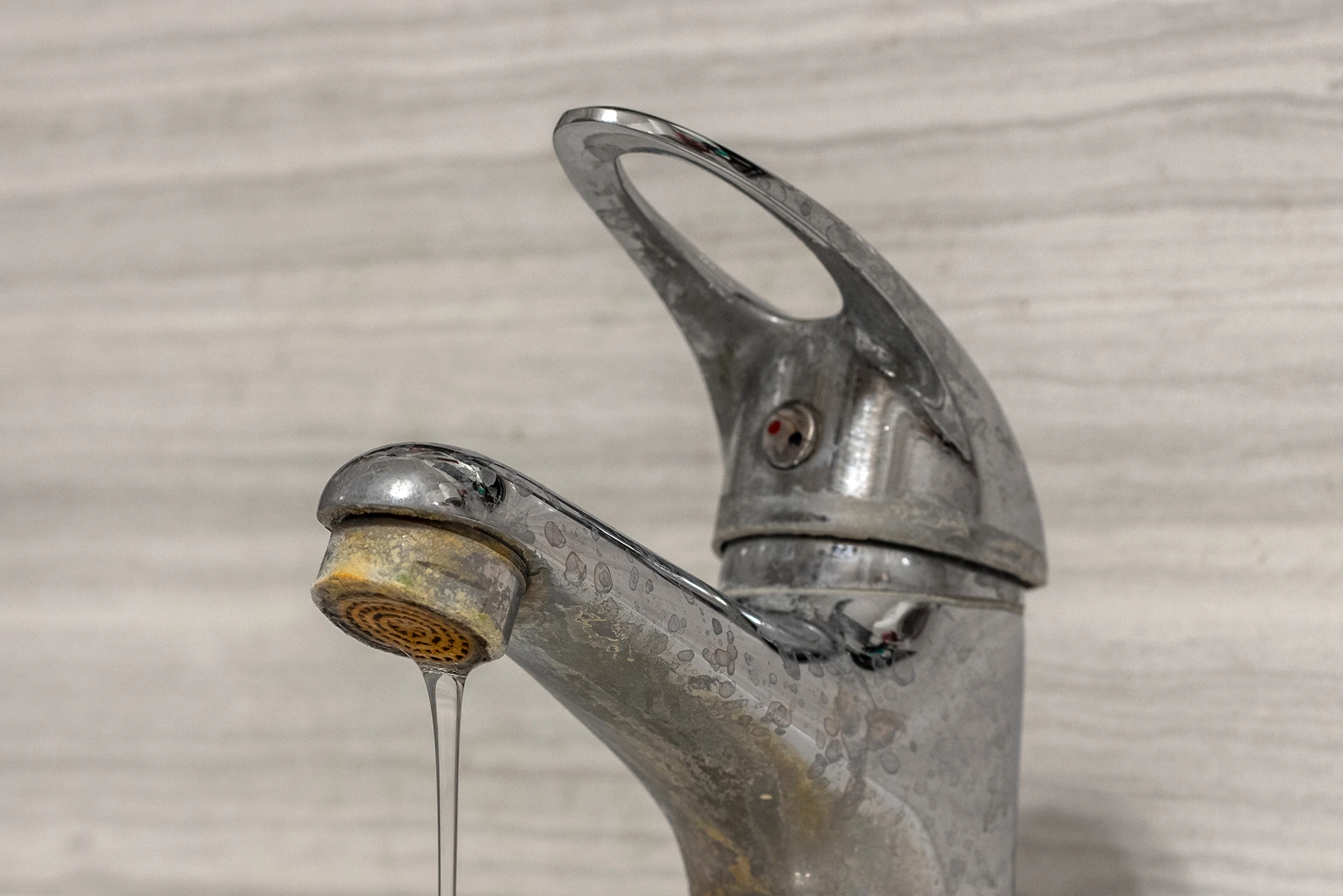
Central Illinois homes and businesses almost always have extremely hard water, which is caused by calcium and magnesium in the ground. Hard water can cause issues like mineral buildup around water fixtures, spots on glassware, corroded pipes, and skin and hair issues.
Iron
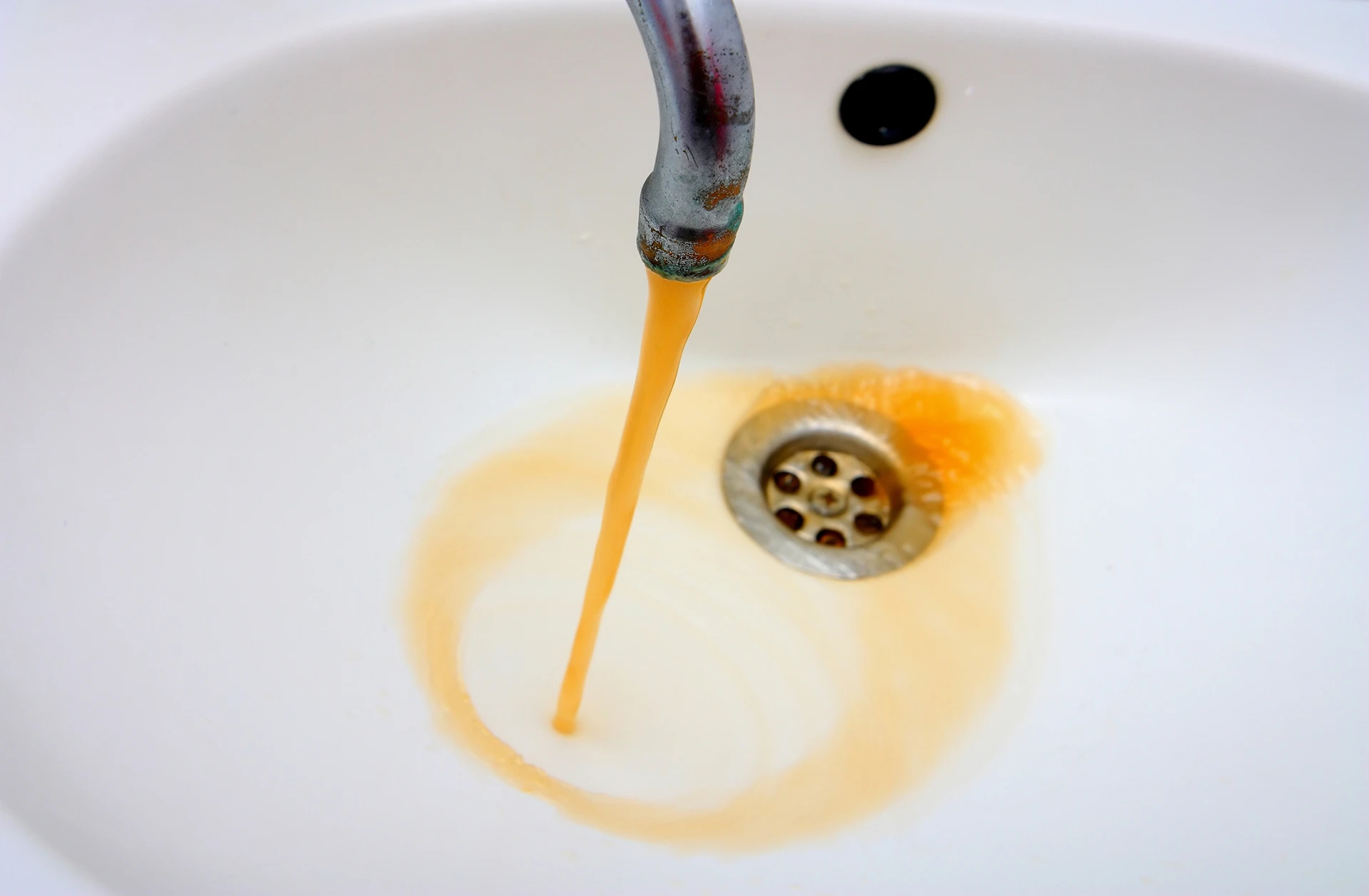
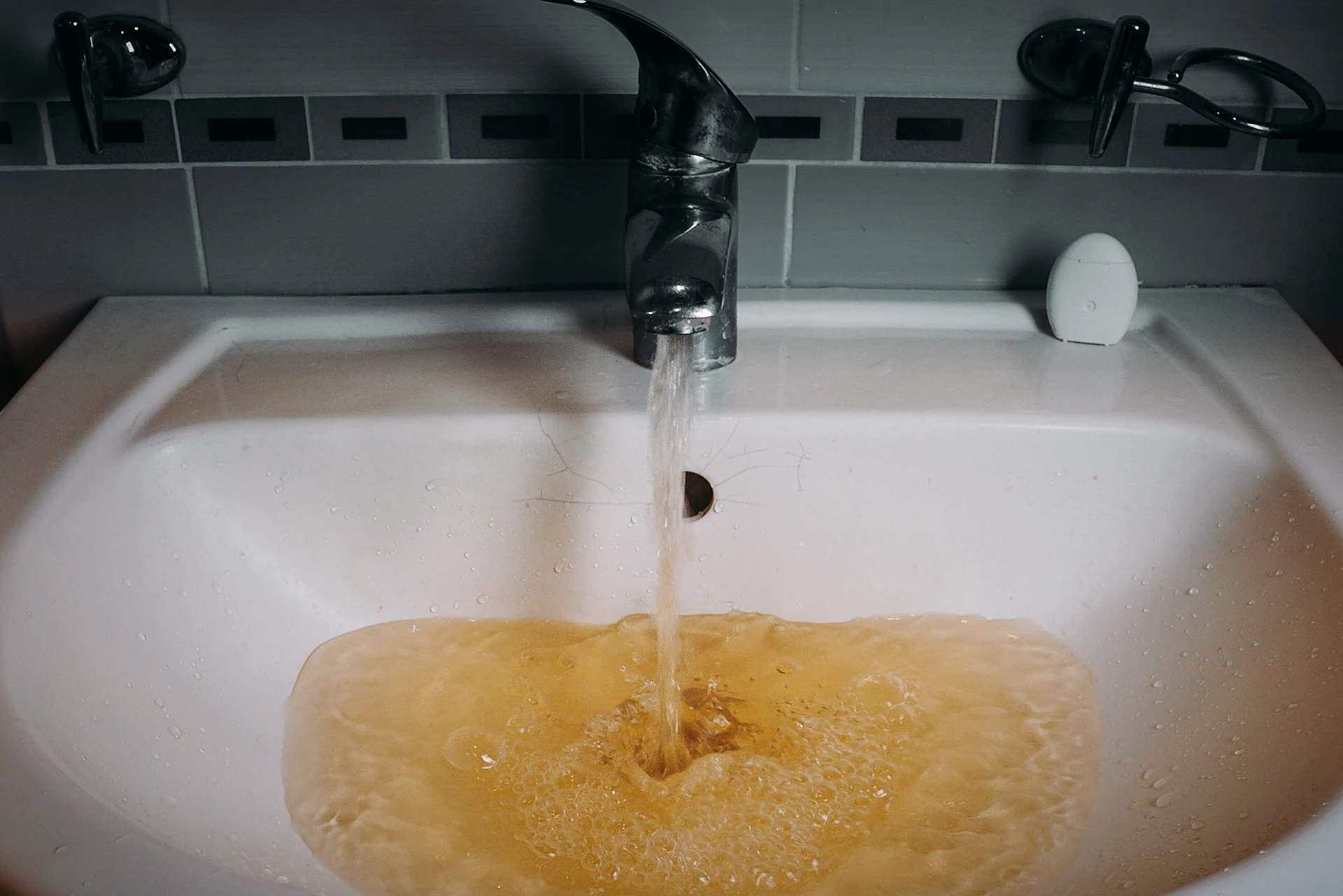
If your water leaves behind orange/red stains or has a metallic taste, iron may be present. Iron can exist in several forms: ferrous (dissolved), ferric (oxidized), organic, and bacterial.

Nitrates
An odorless and colorless contaminant, nitrates can exist in water supplies naturally or from human activities. A major health risk for infants, pregnant women, and nursing mothers, testing is important. Although we do carry nitrate test strips, a certified laboratory test is recommended for health-related contaminants.
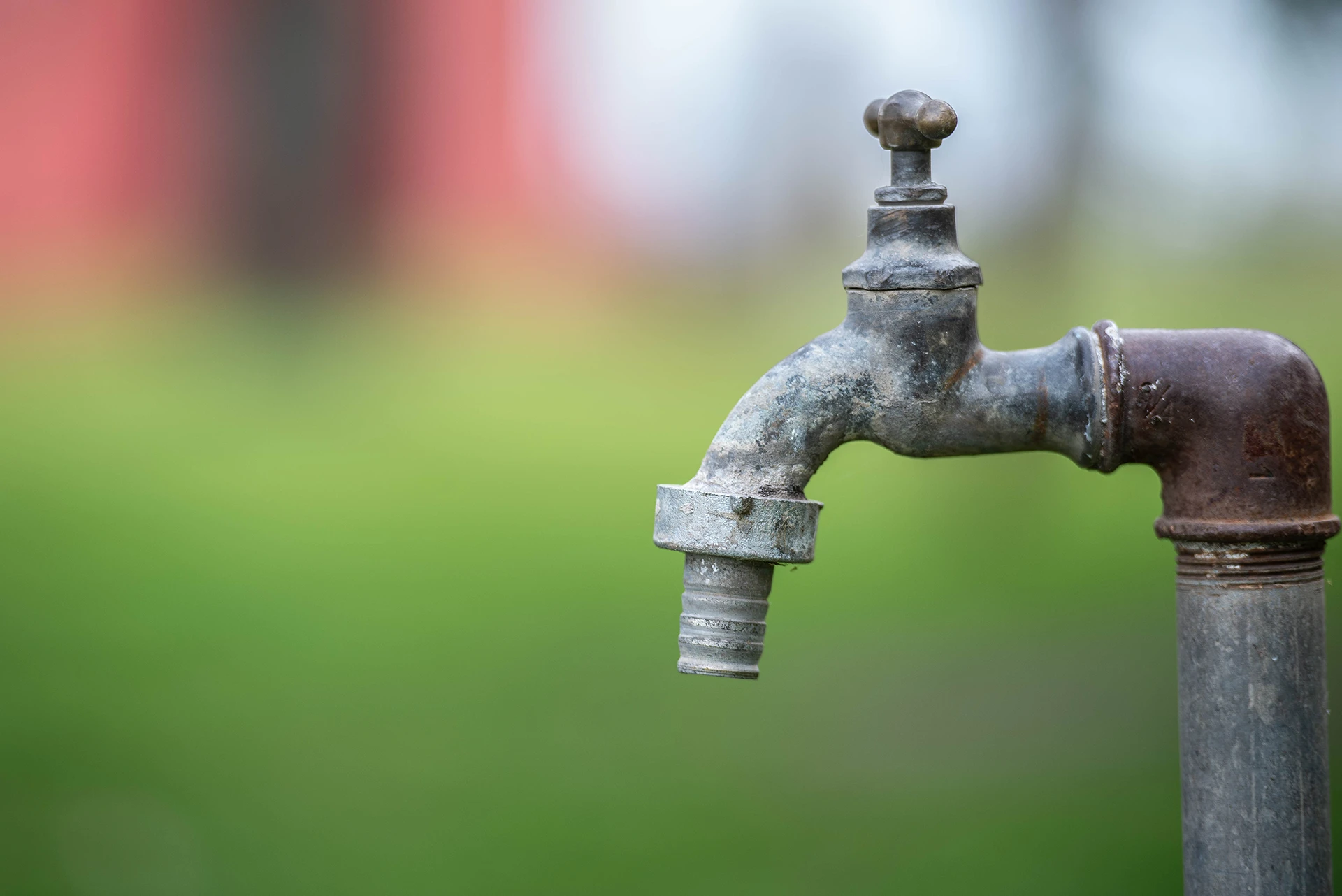
Total dissolved solids (TDS)
TDS refers to the total amount of dissolved substances (like minerals, salts, and metals) in your water. High TDS can cause unpleasant taste, color and odor and be highly corrosive.
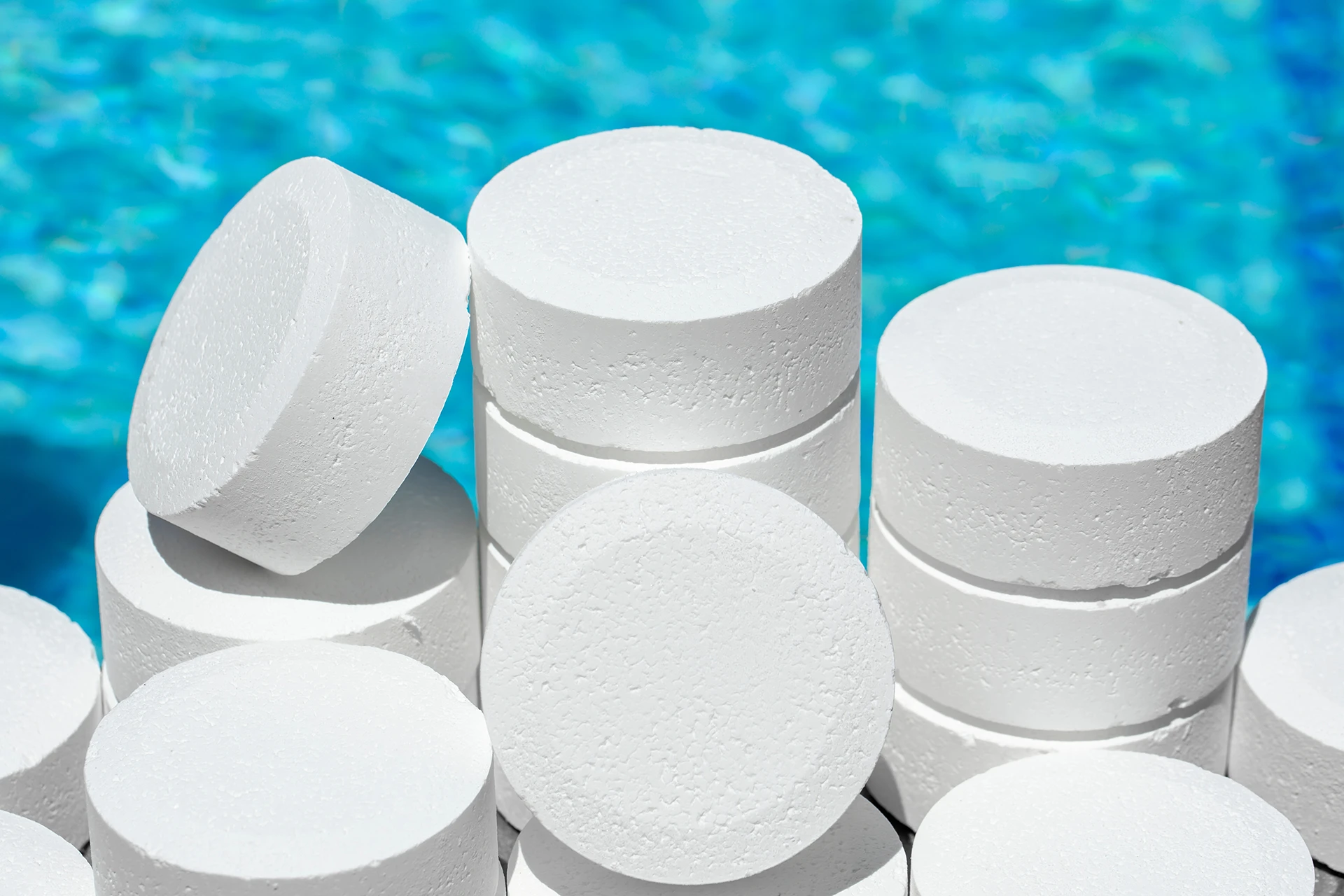
Chlorine
Chlorine is added to city water as a disinfectant to kill harmful bacteria and viruses. High chlorine levels can give your water an unpleasant taste and smell and may lead to health issues.
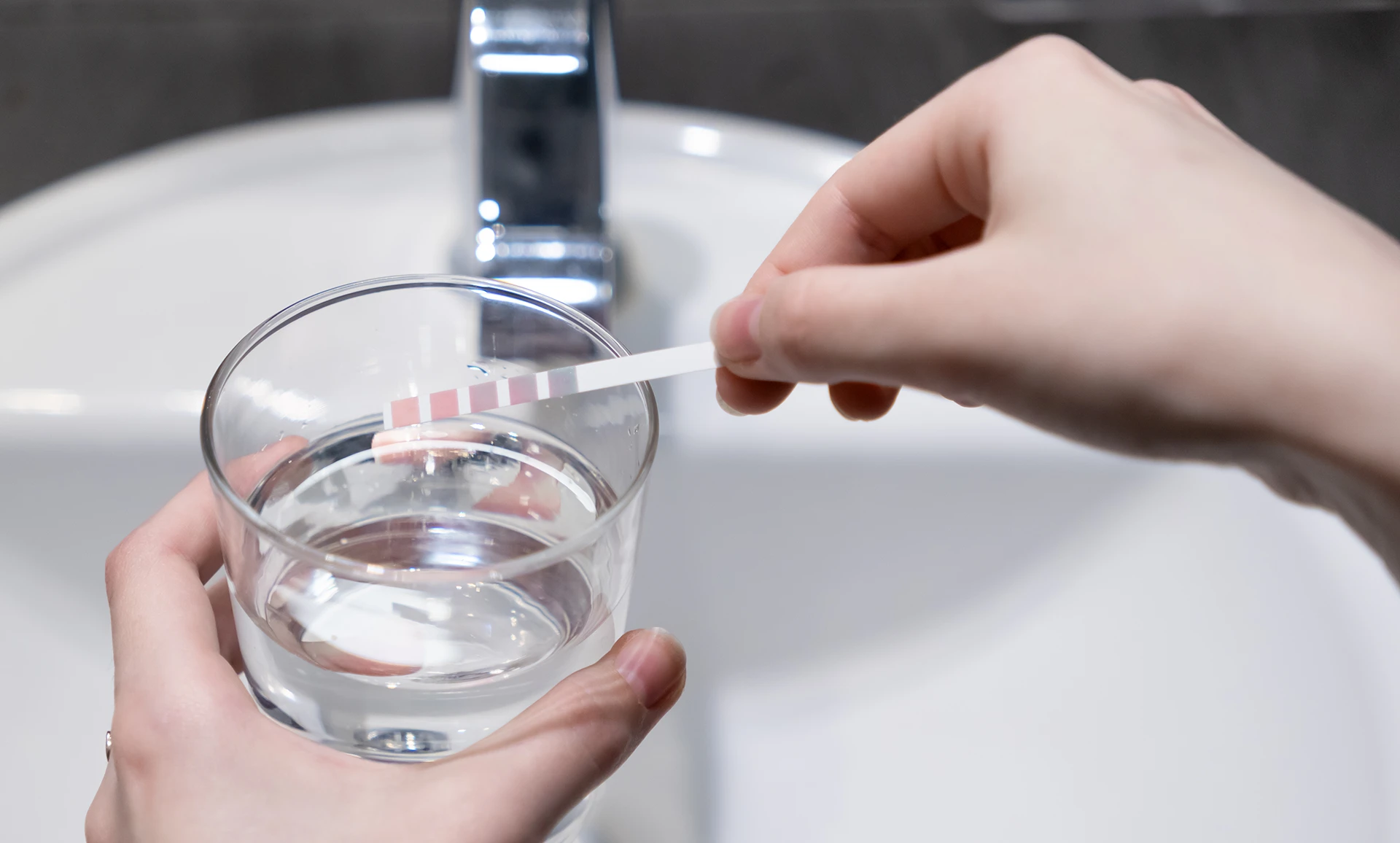
pH
A low pH measurement indicates that your water is acidic and/or corrosive, leaving behind blue/green stains, causing pin-hole leaks, or issues with rusting water-using appliances. A high pH can create issues, as well.
There are some water contaminants that are more difficult to measure by testing but present themselves visually or by smell. Our Water Specialists know how to detect these contaminants:

Hydrogen Sulfide Gas
Hydrogen sulfide (H2S) in water typically produces a “rotten egg” odor and taste, making it a nuisance contaminant. An on-site evaluation by our Water Specialist can generally determine the presence of hydrogen sulfide gas.
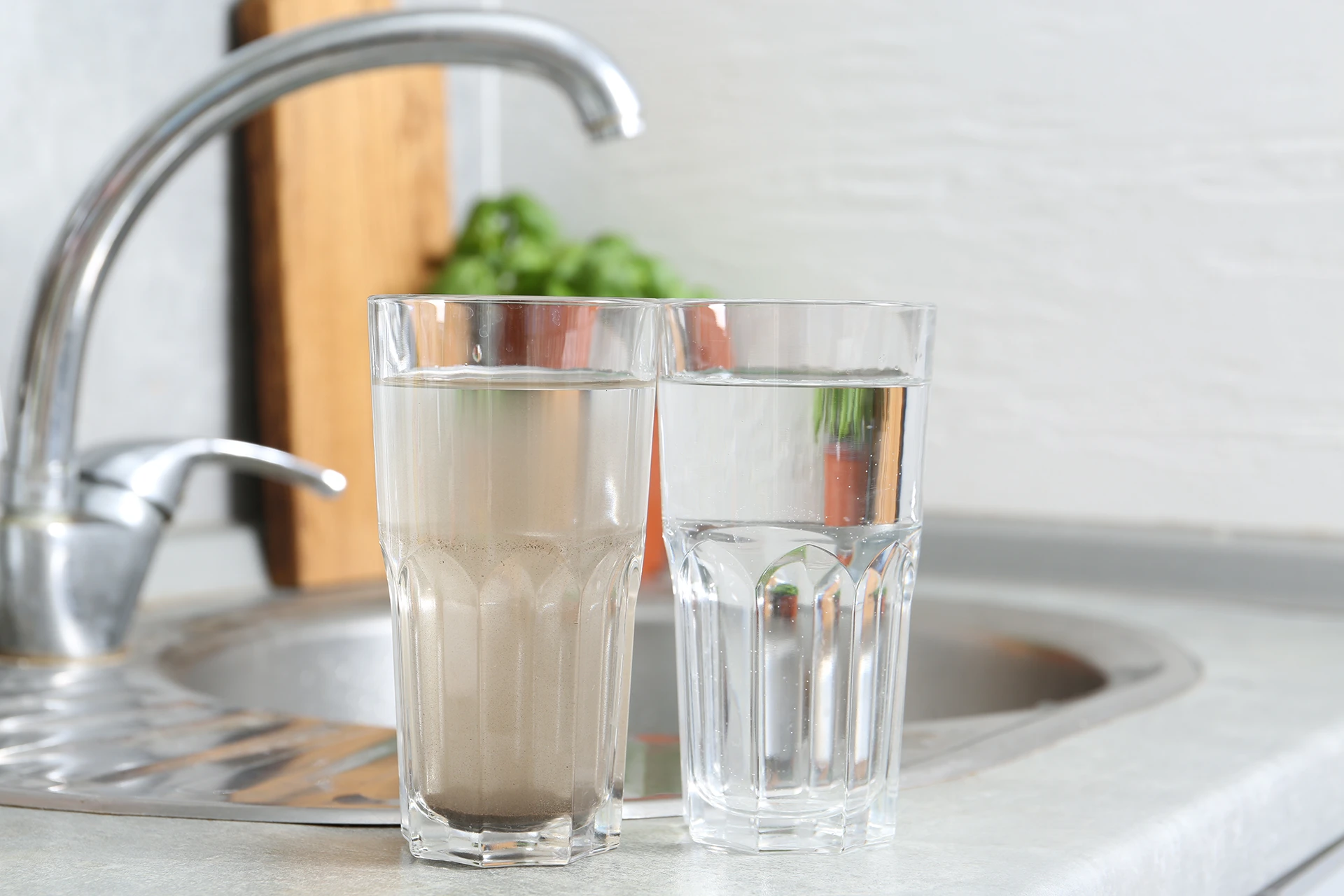
Methane Gas
If you notice cloudy or bubbly water, methane gas could be the culprit. While methane itself is not toxic, it can be a safety concern because it’s flammable and can create explosive conditions when it escapes from the water. Like hydrogen sulfide gas, methane gas presents itself and can be detected by our Water Specialist on-site.
Tannins
If your water has a yellow or brown tint (similar to the appearance of tea) or you get stains on your fixtures or clothing, you may have tannins, which are naturally occurring organic compounds. Although not a major known health risk, it is certainly a nuisance contaminant. Our Water Specialist can do a visual test for the presence tannins or a sample can be taken to the lab for specific results.

In the case of health-related contaminants, we partner with a local, state certified a third-party water testing laboratory, Pace Analytical Lab in Peoria (2231 W Altorfer Dr, Peoria, IL 61615 ) to provide highly accurate testing for many different contaminants. Pricing varies based on contaminants being tested and proximity to our office.
The list below reflects commonly-tested contaminants:
Learn how your home can benefit today!