

Water Resources
Water Contaminants
Water Contaminants
Common Water Problems in Central Illinois
We have distinct water problems in Central Illinois. Most municipal supplies are extremely hard and many have high levels of chlorine. Some areas also have objectionable taste and odor. If you have a private or community well system, your problems can be widespread. Most wells have considerable hardness and high levels of iron. Some also contain dissolved gases such as hydrogen sulfide and methane, tannins, nitrates, arsenic, high levels of total dissolved solids and other problems.
We can perform a free in-home water analysis and customize a water treatment system to fit your specific needs.

Hard Water
Hard water is created when water passes through rock formations and picks up calcium and magnesium. It leaves a bathtub ring made up of hardness, minerals and soap. This scum collects on shower walls, clings to hair, clogs skin pores, and makes house cleaning very difficult. Hard water deposits also clog pipes, cause water heaters to operate inefficiently, and increase the maintenance on water-using appliances. Contact one of our water experts to test your water and find the right water softener for you.
Iron
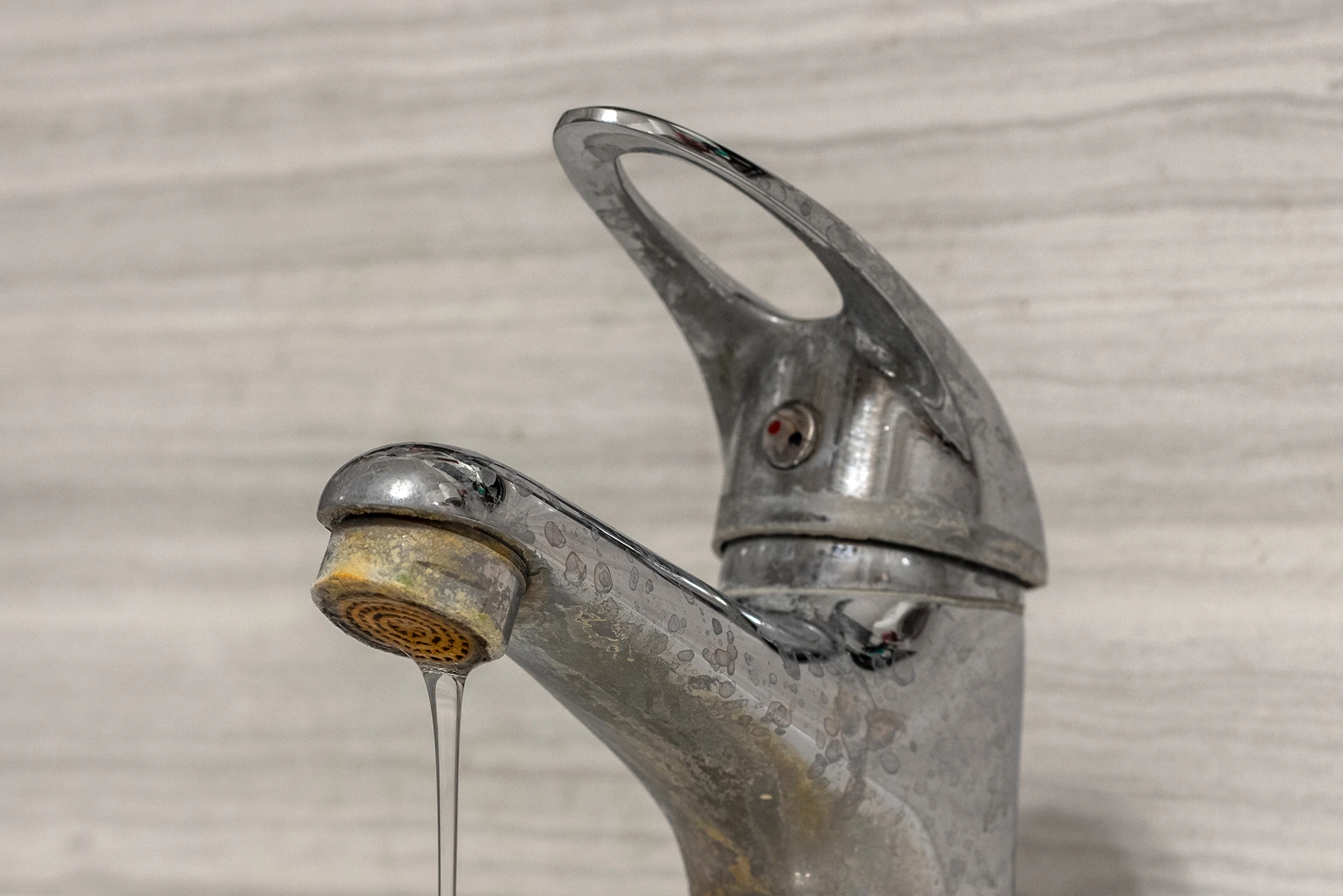
Iron water is created when water passes through iron-bearing rocks. Because iron accounts for 5% of all the earth’s rust, it can be found in just about all types of water supplies. It can also be caused, usually temporarily, by water standing in iron pipes. Iron has the tendency to leave stains on sinks, clothing and linens, or it can form scale on pipes and water-using appliances that make water look, smell and taste bad. A specialty filter and/or a water softener is the best solution for iron contamination in your water.
Dissolved Gases
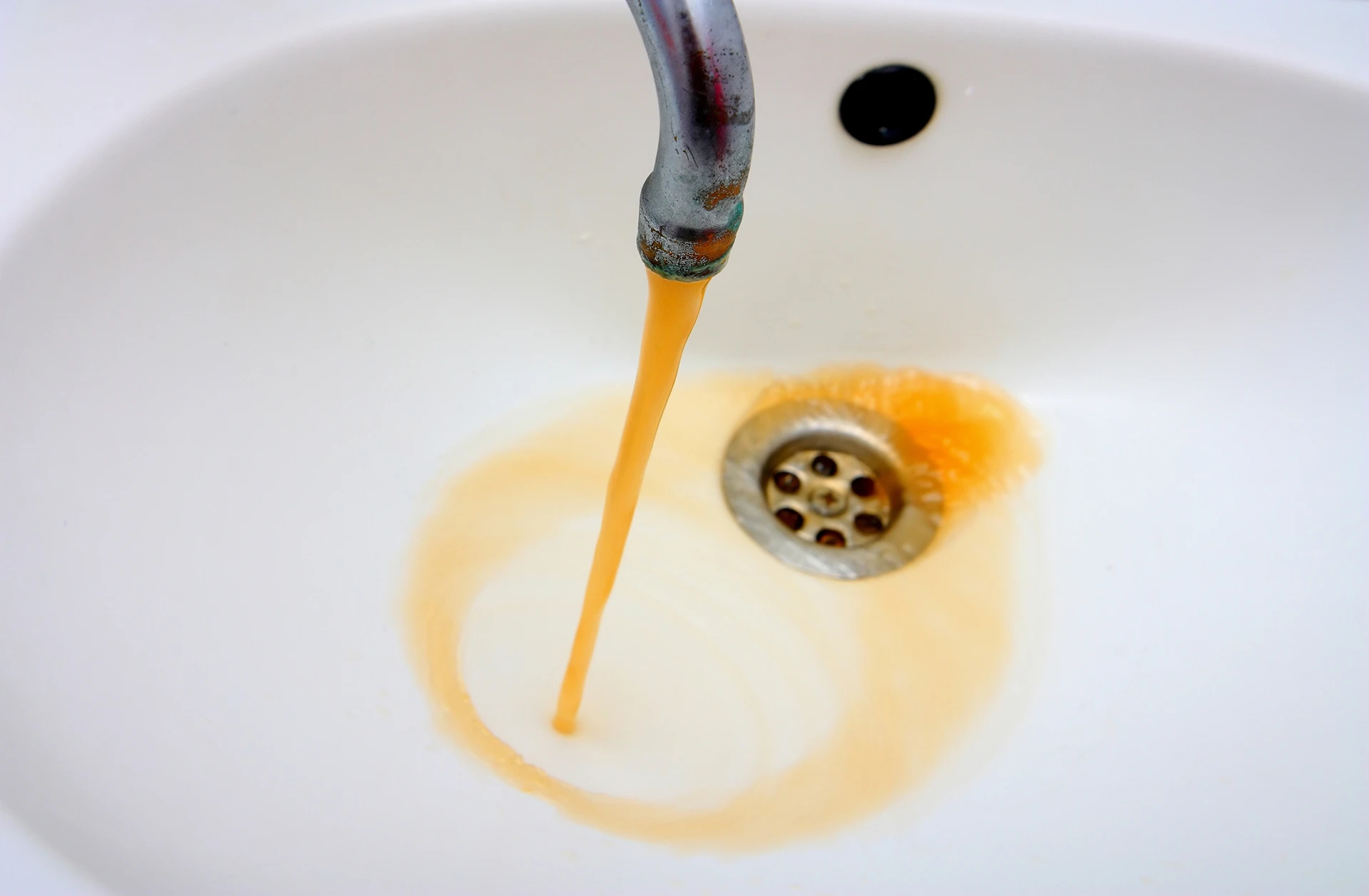
Dissolved gases can cause cloudiness and bad odors in water. Methane gas is odorless and occurs naturally along with contamination from underground natural gas storage facilities. Hydrogen sulfide gas smells like rotten eggs and is caused by bacteria living in underground aquifers. Dissolved gases in water can be aggressive to piping systems and cause wear on valves, seats, and washers. This can be an expensive fix, but before you break the bank, contact our water experts so they can find the right filtration system that will solve for the dissolved gas.

Arsenic
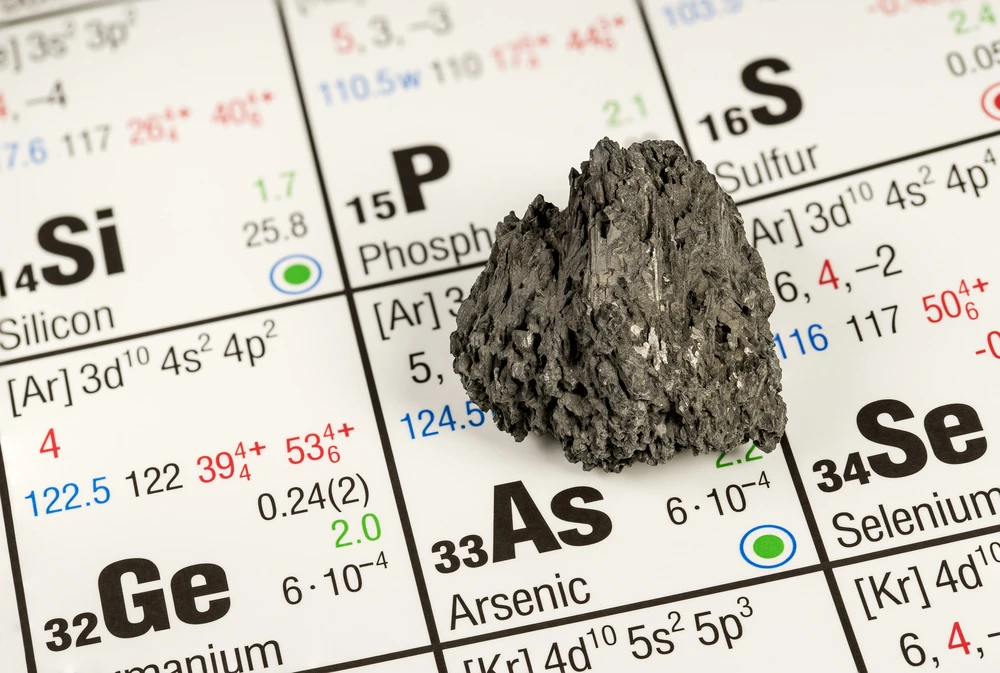
Arsenic is odorless and tasteless. The only way to identify its presence is to have the water tested through a state certified lab. Arsenic is extremely toxic and known to cause cancer and hurt your immune system, leaving you susceptible to falling ill. This chemical gets in your water naturally through either erosion or industrial runoff. Our water experts can get the process started for you and help you choose which filtration system you need.
Tannins
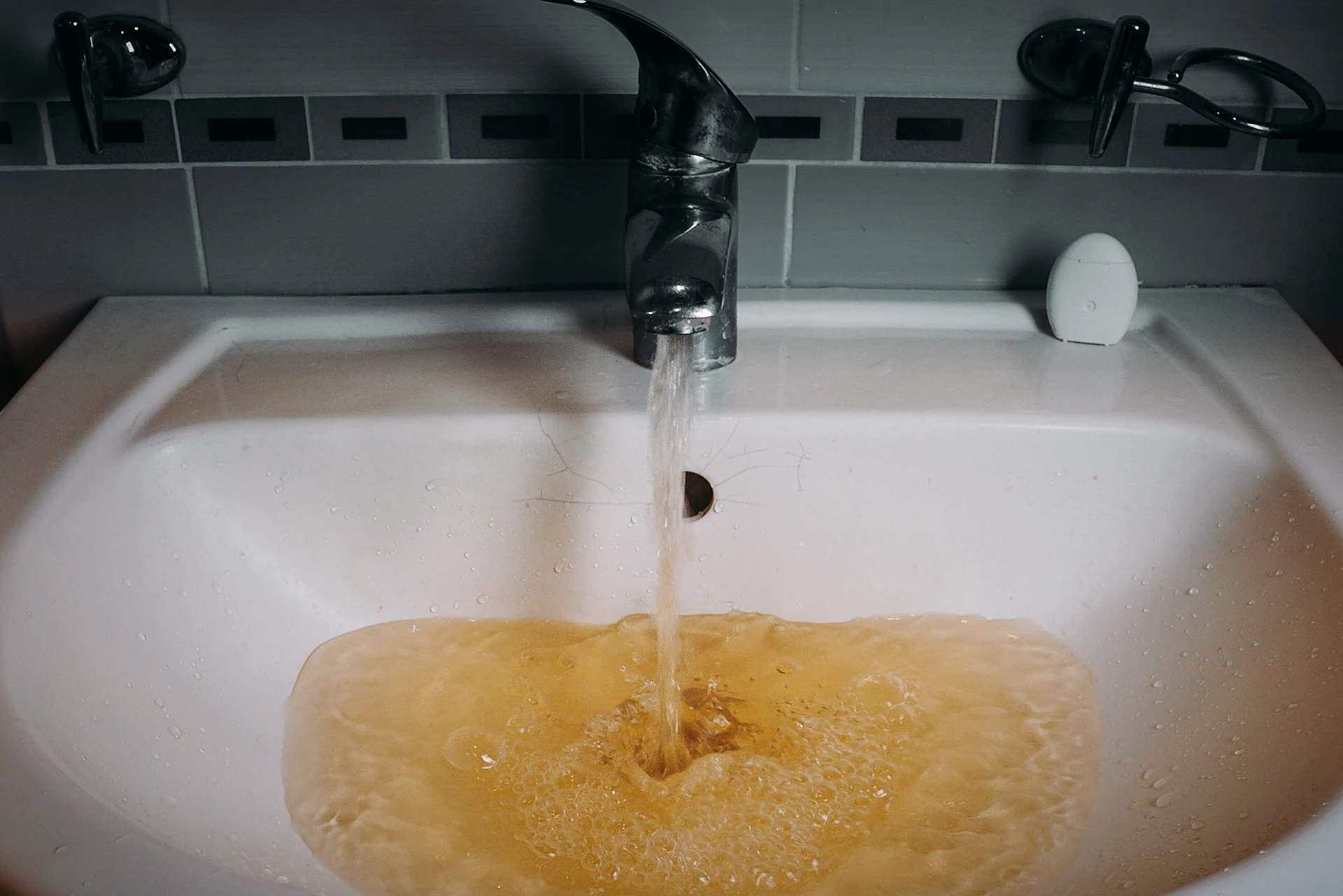
Tannins make water look yellow or brownish in color. They cause staining on clothes and fixtures and makes the water look murky and unclear. Tannins are composed of tiny pieces of organic material floating in the water and are typically caused by decomposing vegetation getting into water supplies. A specialty filter is the best solution for this type of contamination in your water.
Microorganisms
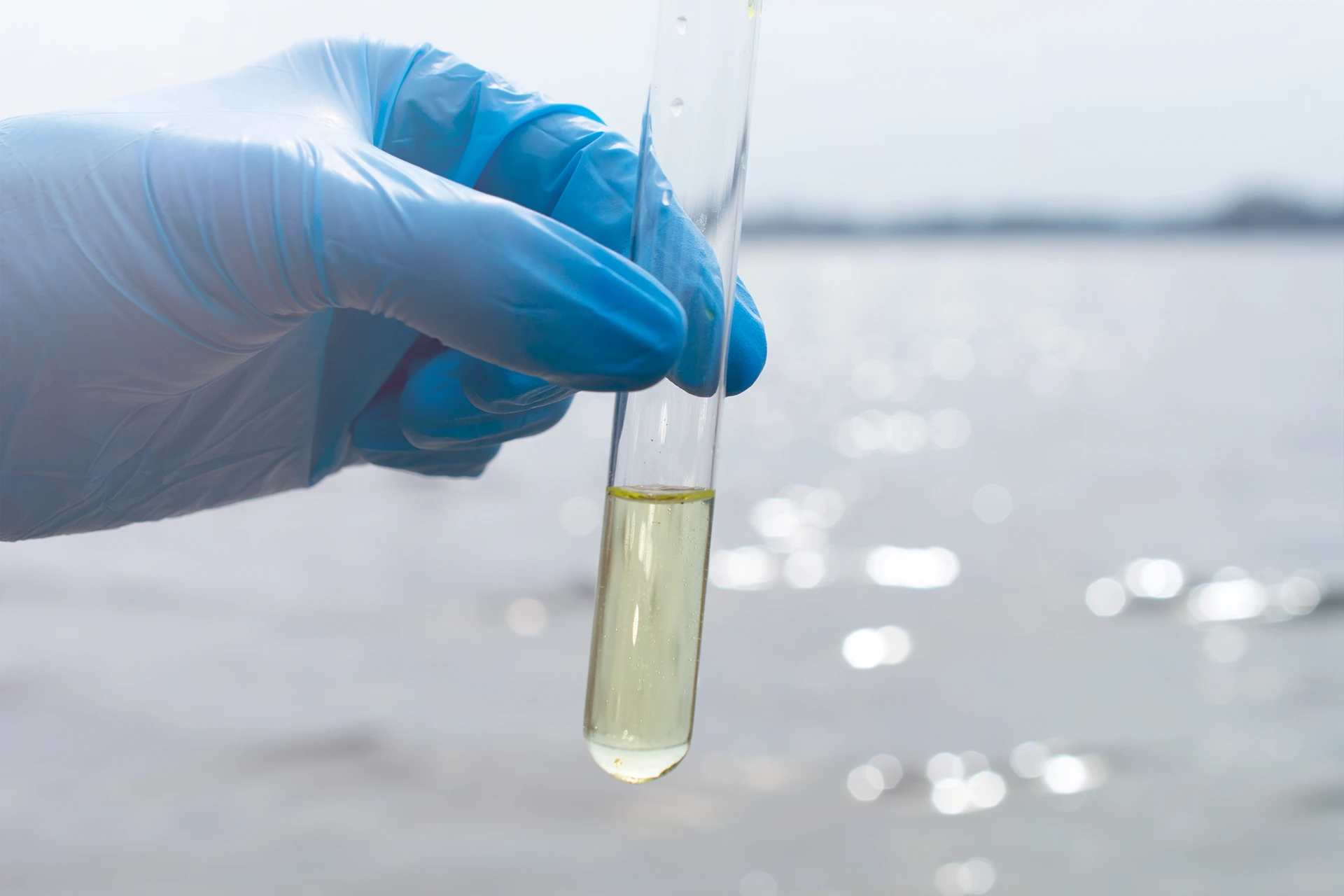
Bacteria in water can take many forms and the best way to know the type present is to have your water professionally tested. A common symptom of bacteria in water is a slimy build-up in the toilet tank. Often different types of organic matter can cause your water to taste and smell bad and some types of bacteria, like E-Coli, can cause serious health problems. After identifying the problem through professional testing, the process can vary. The most common treatment is UV disinfection or chlorination systems, which are installed at the point-of-entry.
Nitrates
Nitrates often find their way into your water supply through the use of fertilizer. Spring water is vulnerable to this type of contamination when excess fertilizer isn’t fully absorbed by soil or crops. People in rural communities should test their water for nitrates because it is odorless and tasteless. Nitrates can pose serious health risks, particularly for infants under 6 months, by causing “blue baby syndrome” (methemoglobinemia), which limits blood oxygen. Contact our water experts if you’re worried about nitrate contamination so they can test your home’s water and guide you to the right filtration solution.

Total Dissolved Solids
Total dissolved solids can cause unpleasant taste in water and cause the water to act aggressively towards fixtures and appliances. The higher the dissolved solid content, the more objectionable the taste and the more aggressive it acts. Some water supplies are so high in mineral content they taste salty, almost like sea water. These supplies can corrode faucets and water heaters in very short periods of time. The best solution for this water problem in your home is a reverse osmosis drinking water system.
Chlorine and Chloramines
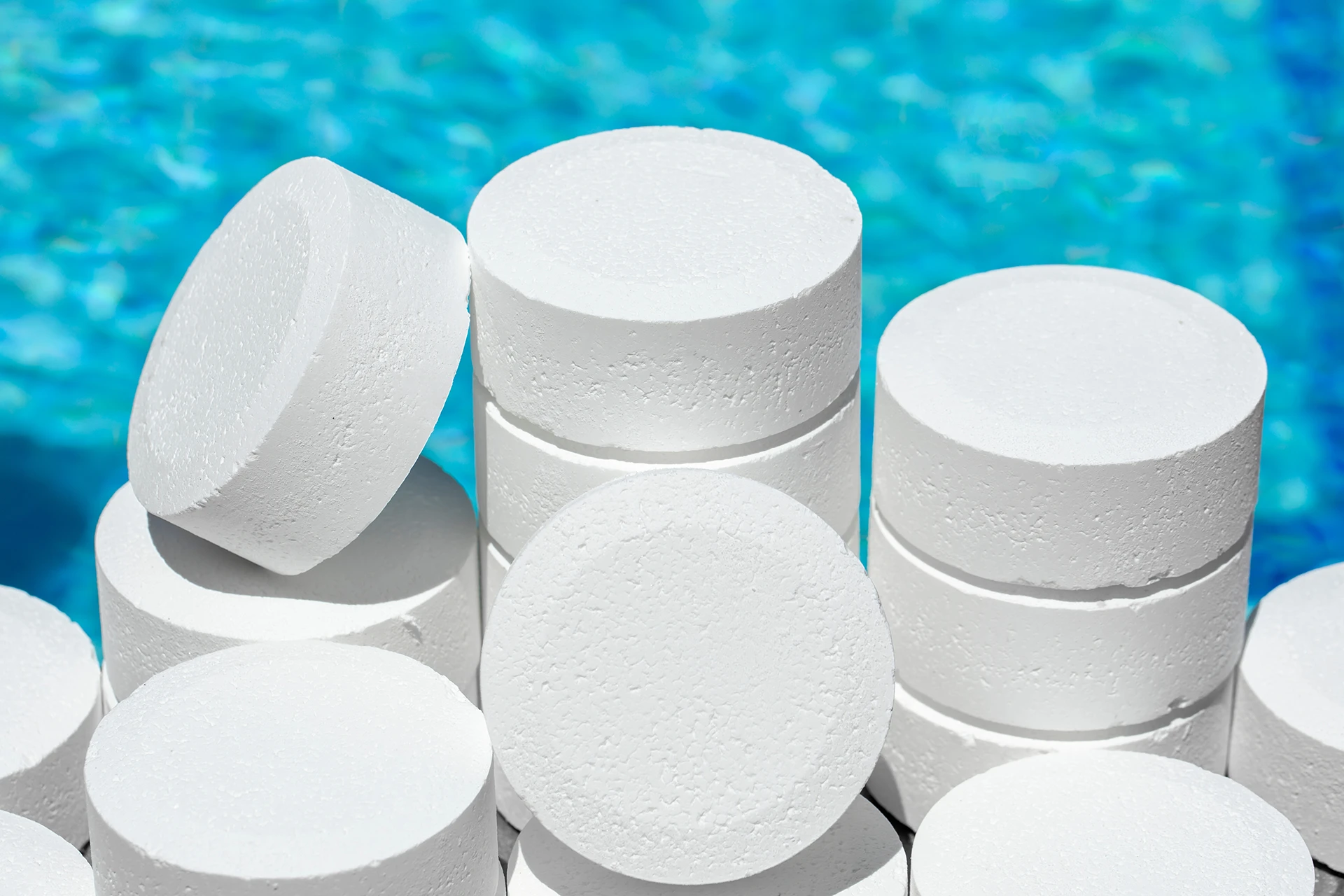
For the same reason swimming pools have chlorine for bacteria prevention, city treatment plants utilize chlorine and chloramine (chlorine and ammonia) to disinfect the water supply before it reaches your home. However, too much of this contaminant can make your water smell and taste unappealing. It can also irritate your eyes and skin, especially for those suffering from eczema. Our water experts can pinpoint the exact system for your chlorine or chloramine problem with a free water consultation.
Lead
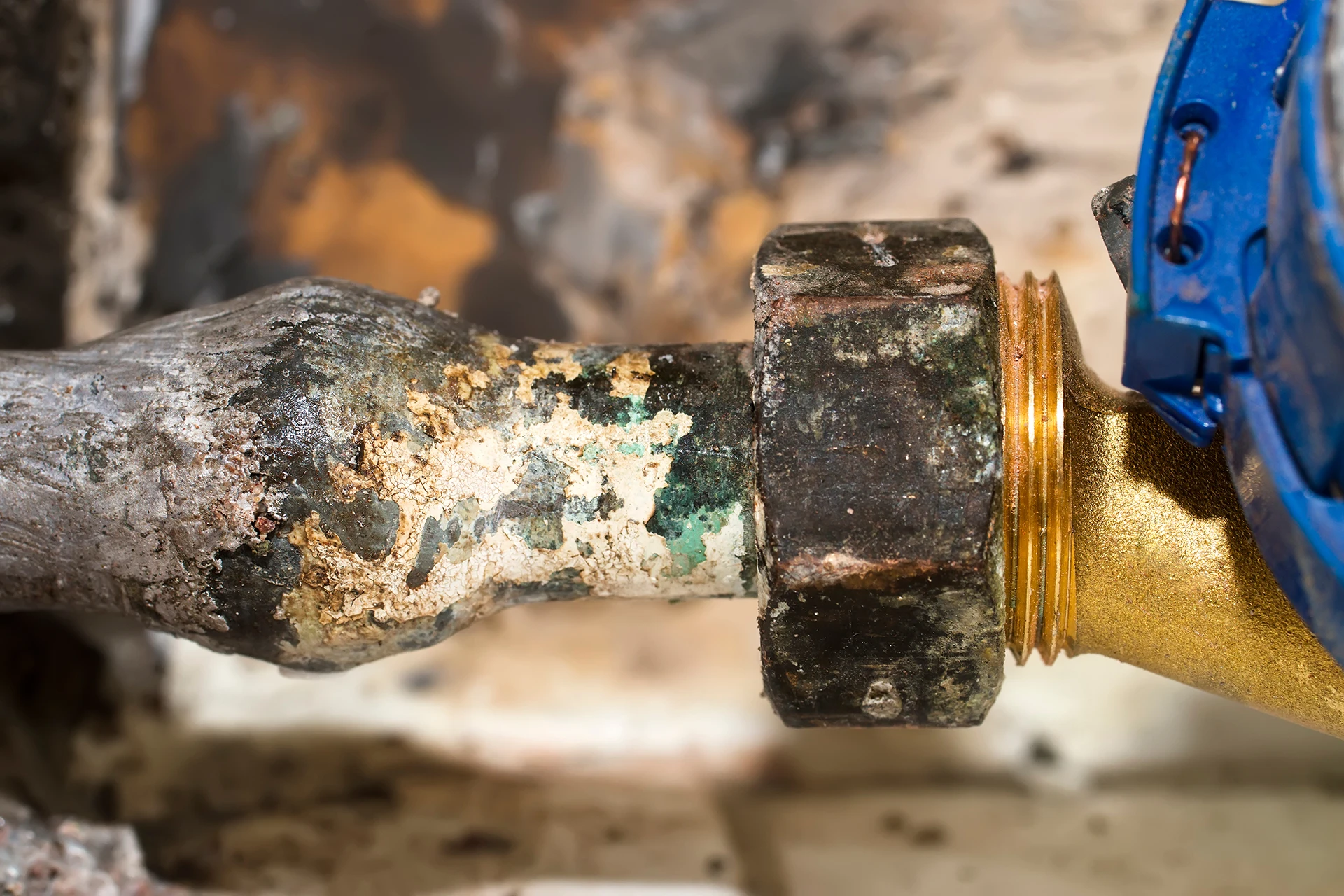
Lead in water typically comes from lead service lines, lead containing solder, brass fittings, and older fixtures. Health effects include damage to the brain, kidneys, bone marrow, nervous system, and red blood cells. Lead can also cause reduced intelligence, impaired hearing and decreased growth in children. Children are more at risk than adults. There are a variety of treatment methods to reduce lead, including reverse osmosis, lead-selective filters for point-of-use or whole home. Our water specialists can facilitate a certified test at a local laboratory to ensure the safety of your water.
Manganese
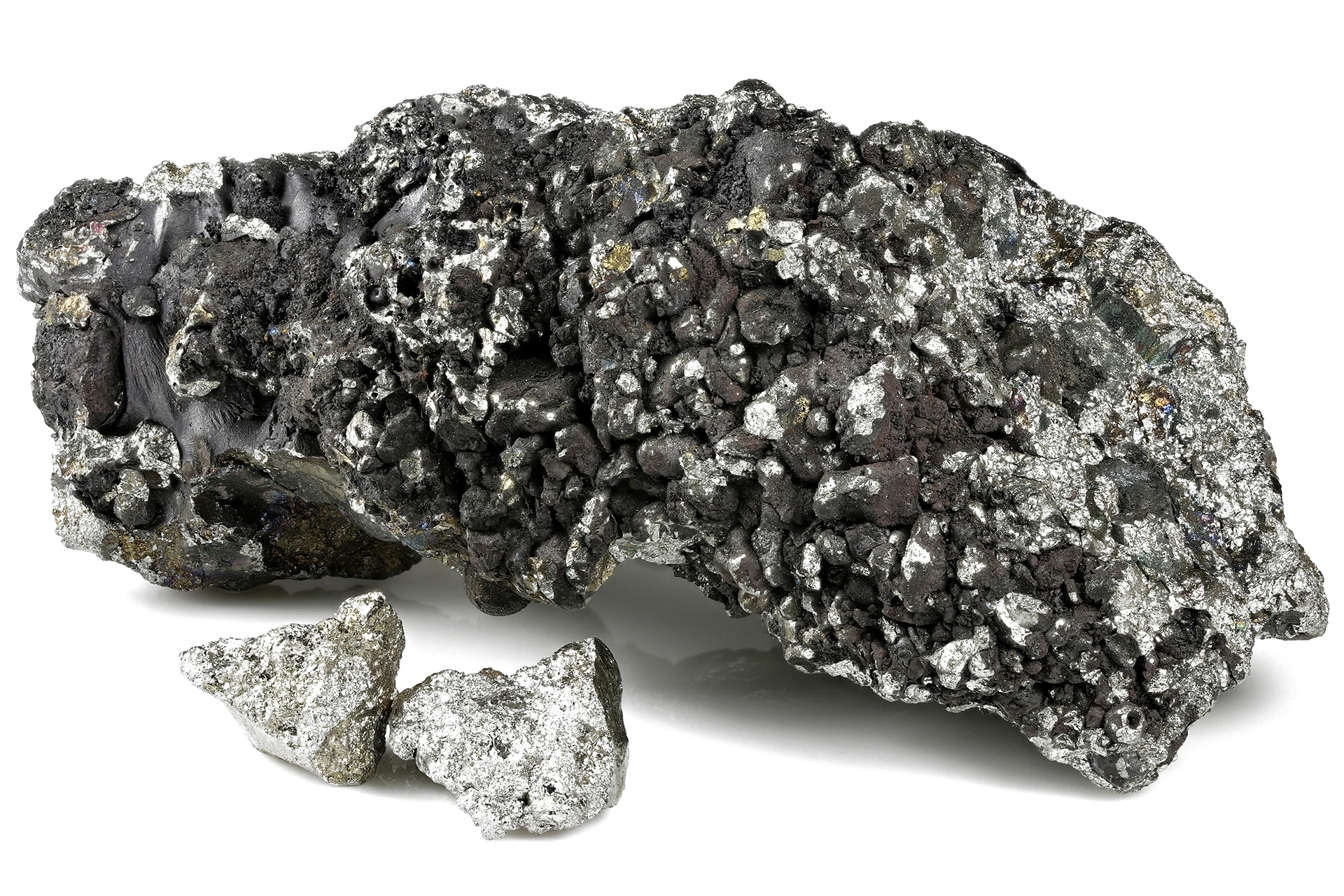
Manganese is found both naturally in the environment and as a result of human activity such as mining and industrial discharges from products like batteries, glass, fireworks, fertilizers, cosmetics, etc. Elevated levels of manganese in drinking water are a health concern, especially for infants, elderly, and those with liver disease. Along with the health risks, manganese causes aesthetic issues such as black staining and metallic taste. There are point-of-use and point-of-entry treatment options for manganese available.
PFAS
PFAS, or per- and polyfluoroalkyl substances (also known as “forever chemicals”) are long lasting chemicals, widely used in various products including firefighting foam, non-stick cookware, water-repelling products, and food packaging. Studies have shown PFAS exposure can lead a variety of health issues. These compounds are very difficult to break down and require specific products that are third-party certified. PFAS monitoring began in 2021 when the EPA developed a Strategic Roadmap. Since then, actionable steps have been taken to protect public health. In April of 2024, the EPA established the National Primary Drinking Water Regulation, which would legally enforce a standard to be met by public water systems by 2029. That deadline is proposed to extend to 2031. PFAS regulation will continue to be a work in progress for years to come, but our water specialists are happy to provide treatment options today.

Emerging Contaminants
Pharmaceuticals, personal care products (PCPs) and endocrine disrupting compounds (EDCs) are among the prime examples of emerging contaminants. These contaminants are being discovered in water throughout the country, as well as others such as microplastics, nitrosamines, and perchlorate. The U.S. EPA is working to improve its understanding of emerging contaminants, but in the meantime, there are ways to protect yourself even before the government begins regulation.

Volatile Organic Compounds (VOCs)
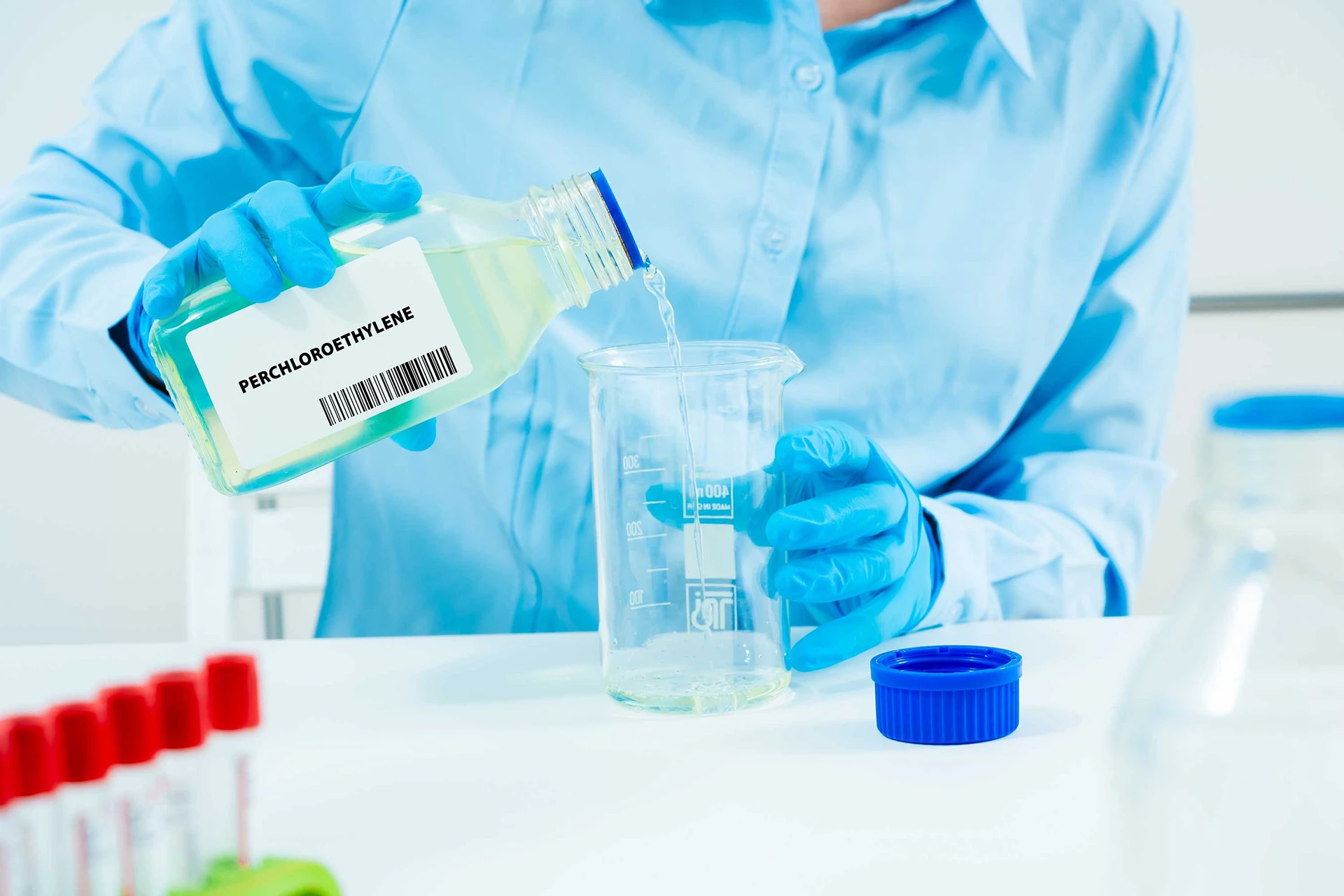
Volatile Organic Compounds, or VOCs, are EPA-regulated carbon-based chemicals known for their volatility, meaning they easily evaporate into the air. Some well-known VOCs are trihalomethane (THM), MTBE, Benzene and Perchloroethylene. Research suggests prolonged exposure leads to cancers and damage to organs and central nervous system. Treatment generally includes carbon filtration and/or reverse osmosis.
Disinfection Byproducts
When organic matter in water reacts with chlorine or chloramines, disinfection byproducts (DBPs) are formed. These compounds can cause potential health effects from long-term exposure, such as increased risk of cancers, anemia, and reproductive or developmental health issues. The EPA regulates four DBPs under the Primary Standards: Total Trihalomethanes (TTHMs), Haloacetic Acids (HAA5), Chlorite and Bromate, with many other DBPs going unregulated. Our Certified Water Specialists are knowledgeable in treating for these contaminants.
Questions/Comments?